If you have been dealing with persistent muscle pain, tightness or restricted movement, dry needling in Cape Town may be worth discussing with your physiotherapist. At Gray Physiotherapists in Constantia, we offer dry needling as part of a broader treatment approach to address muscle dysfunction, reduce pain and support recovery.
What is dry needling?
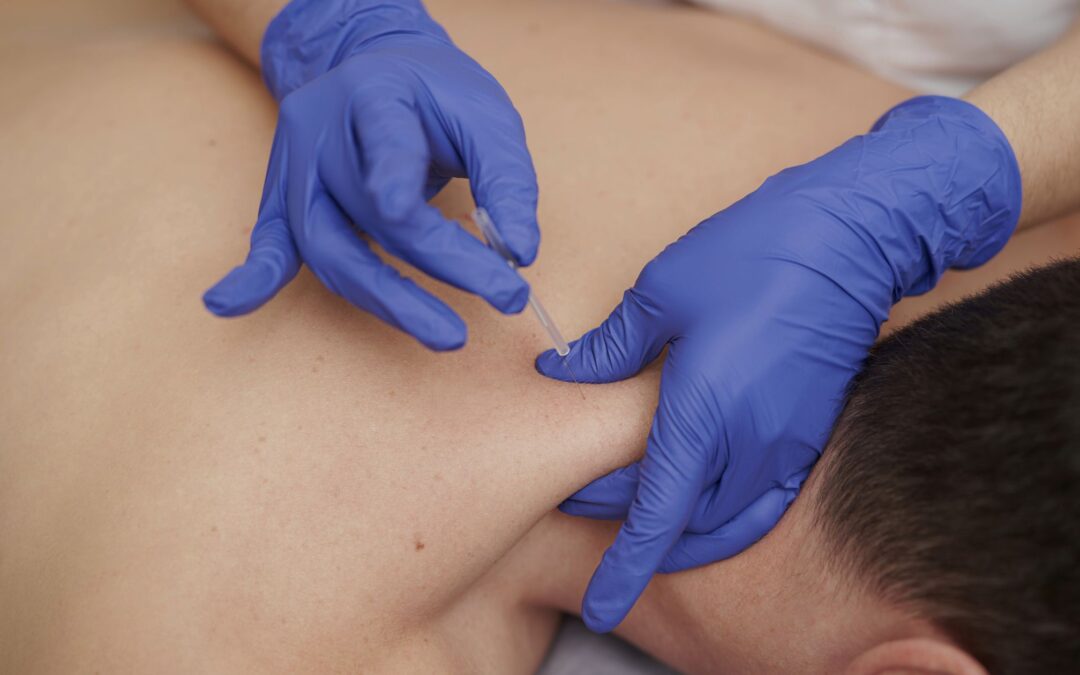
Dry needling involves inserting thin, sterile needles into specific points within a muscle, known as trigger points. These are localised areas of tension that cause pain, restrict movement and refer discomfort to other parts of the body.
Although the needles look similar, dry needling is not the same as acupuncture. Acupuncture draws from traditional Chinese medicine and focuses on energy pathways. Dry needling, in contrast, draws on Western musculoskeletal science and targets the neuromuscular system directly. The aim is to release tension, reduce pain and restore normal muscle function.
What conditions does dry needling treat?
Dry needling treats a range of musculoskeletal conditions, including:
- Neck, shoulder and back pain
- Tension headaches
- Sports injuries and overuse conditions
- Hip and gluteal pain
- Jaw pain related to temporomandibular disorder (TMD)
- Fibromyalgia and widespread muscle pain
- Post-surgical rehabilitation where muscles have tightened or weakened
In addition, it works particularly well for patients whose pain stems from muscular tightness or trigger points that have not responded to other treatments.
What to expect in a dry needling session
First, your physiotherapist will assess your movement and identify the muscles contributing to your symptoms. Once we have a clear picture, we begin the needling. We use very fine needles, and most patients report minimal discomfort during insertion.
You may feel a brief muscle twitch or a dull ache as the trigger point responds. This reaction is normal and typically settles within seconds. At the same time, we almost always combine dry needling with exercise or manual therapy in the same appointment, because addressing the underlying movement pattern produces better results than needling alone.
In most cases, patients notice some improvement after the first session. However, for those with longstanding pain, you may need a course of three to six sessions to achieve lasting change.
Dry needling at Gray Physiotherapists, Constantia
We offer dry needling as part of a full physiotherapy assessment and treatment plan, not as a standalone procedure. We treat it as one tool among several, and we use it when your assessment indicates it is the right fit for your condition and goals.
Our practice is at Mediclinic Constantiaberg in Plumstead, Cape Town. Sessions are 45 minutes long. You do not need a referral to book directly with us.
Book an appointment: 021 797 1777 or accounts@constantiaphysio.co.za
Frequently asked questions about dry needling
Is dry needling painful?
Most patients find the needle insertion causes little to no discomfort. A brief muscle twitch or dull ache at the trigger point is common and usually passes within a few seconds. However, post-session muscle soreness, similar to the feeling after a firm massage, can occur and typically settles within 24 to 48 hours.
How does dry needling differ from acupuncture?
Dry needling draws on Western musculoskeletal science and targets specific muscle trigger points to address pain and dysfunction. Acupuncture, in contrast, comes from traditional Chinese medicine and focuses on restoring energy balance through meridian pathways. Although practitioners use similar needles in both, the rationale and application are different.
Can dry needling work alongside other physiotherapy treatments?
Yes, and it produces better outcomes when it does. At Gray Physiotherapists, we typically use dry needling alongside manual therapy and a targeted exercise programme, because this combination addresses the underlying movement or strength deficits that contribute to your symptoms.