Common Padel Injuries: Causes, Treatment and Recovery
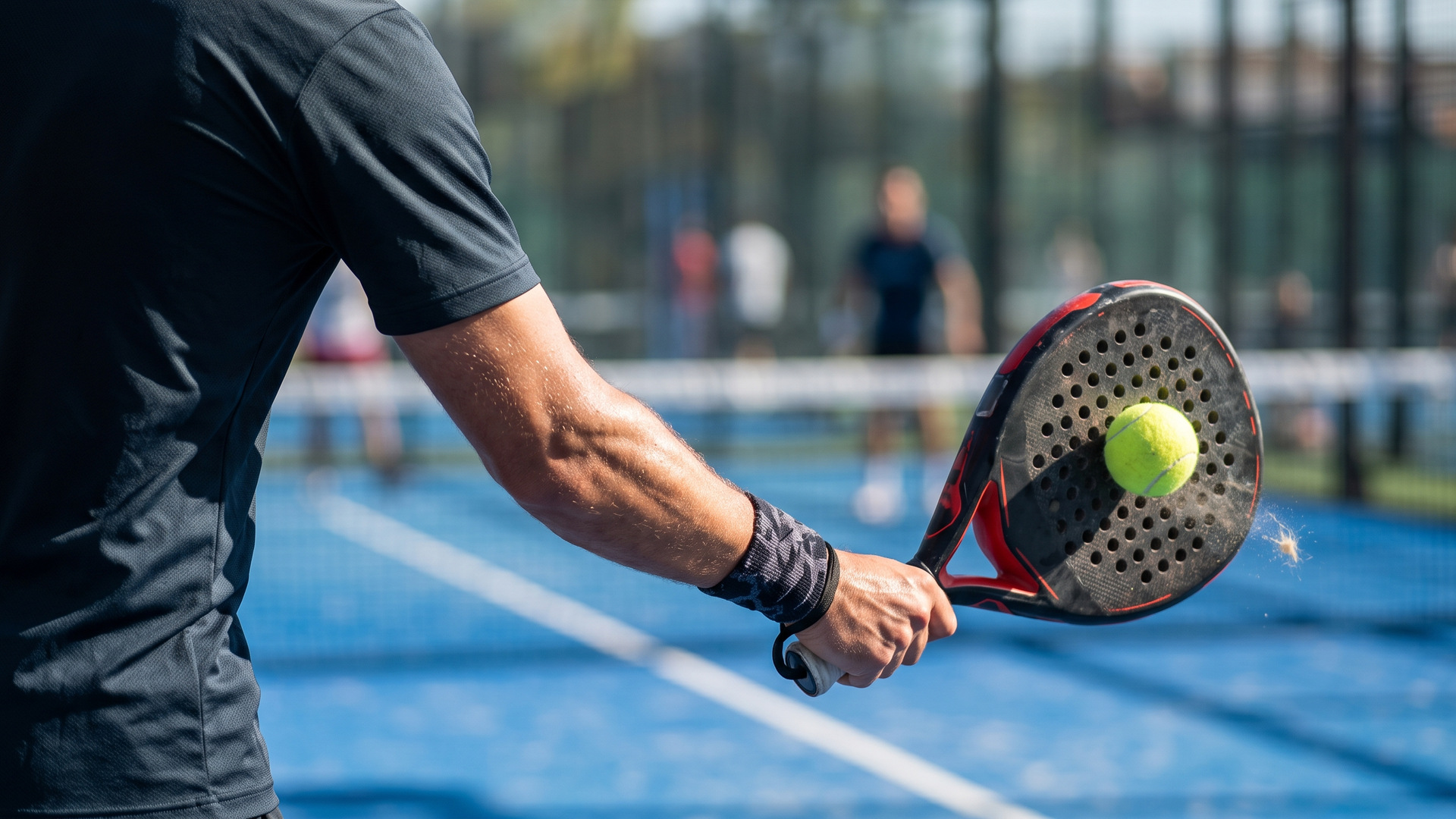
Padel is fast, social and seriously addictive. But between the quick changes of direction, explosive movements and repeated racket swings, your body takes on more than you might realise.
Whether you’re new to the game or playing several times a week, padel injuries can affect your performance and keep you away from the court.
The good news? An injury doesn’t always mean you have to stop playing. Understanding what’s causing your pain and how to manage it can make all the difference to your recovery.
What are the most common padel injuries?
Padel places repeated demands on your muscles, joints and tendons. Some of the most commonly affected areas include:
1. Elbow and forearm pain
Repeated gripping and racket movements can place strain on the muscles and tendons around your elbow. Players may experience pain when gripping the racket, hitting the ball or lifting everyday objects.
2. Shoulder pain
Overhead shots, smashes and repeated reaching movements demand strength and control from your shoulders. Reduced mobility, muscle weakness or sudden increases in playing intensity can contribute to discomfort.
3. Knee pain
Rapid changes of direction, lunging and sudden stops place considerable demands on the knees. Pain may develop around the kneecap or other structures, depending on the underlying problem.
4. Calf injuries
Explosive acceleration and quick movements can overload the calf muscles, particularly when your body hasn’t adapted to the intensity of play.
5. Achilles tendon pain
Repeated pushing off, jumping and changes of direction place significant demands on the Achilles tendon. Pain and morning stiffness may indicate that the tendon is struggling to tolerate its current workload.
6. Lower back pain
Rotational movements, reaching and repeated bending can contribute to lower back discomfort, especially when strength, mobility or movement control are not meeting the demands of the sport.
Should you stop playing padel if you’re injured?
Not necessarily.
One of the biggest misconceptions about sports injuries is that complete rest is always the best solution.
Depending on the injury, you may be able to continue playing at a reduced intensity or frequency while your body recovers.
For example, temporarily reducing the number of matches you play or avoiding certain aggravating movements may help manage symptoms.
However, the right approach depends on the nature and severity of your injury.
The more useful question isn’t simply, “Can I keep playing?”
It’s “How much can my body safely tolerate right now?”
A physiotherapy assessment can help determine whether continued activity is appropriate and what adjustments may be needed.
How can physiotherapy help with padel injuries?
At Gray Physiotherapy in Constantia, we focus on understanding why an injury has developed rather than simply treating the painful area.
Your assessment may include:
Joint mobility and flexibility
Muscle strength and endurance
Tendon capacity
Movement control
Previous injuries
Training frequency and playing intensity
Sport-specific movements and demands
This helps us develop an individualised rehabilitation programme based on your injury, your current ability and your goals.
How can you reduce your risk of padel injuries?
Although no injury prevention programme can eliminate risk entirely, improving your body’s ability to tolerate the demands of padel is an important starting point.
Build strength: Progressive strengthening helps your muscles and tendons tolerate the demands of accelerating, stopping, reaching and changing direction.
Manage your playing load: Suddenly increasing your number of matches or playing intensity can place more stress on your body than it’s prepared for.
Allow time for recovery: Your body needs time to adapt between demanding sessions, particularly when you’re new to the sport.
Address recurring pain: Persistent discomfort may be a sign that your current playing demands exceed your body’s capacity.
Prepare for the sport: Rehabilitation should eventually include movements that reflect the physical demands of padel, not just exercises that feel comfortable in a treatment room.
Getting back onto the court with confidence
Successful rehabilitation is about more than becoming pain-free during everyday activities.
Your body needs to be prepared for the movements that make padel demanding, including gripping, swinging, accelerating, lunging and changing direction.
Through progressive strengthening and sport-specific rehabilitation, you can work towards returning to the court with greater confidence.
Frequently asked questions about padel injuries
Should I stop playing padel if something hurts?
Not always. Some injuries require a temporary break, while others may be managed by adjusting how often or how intensely you play. A physiotherapy assessment can help determine what’s appropriate.
Is elbow pain from padel always tennis elbow?
No. Several muscles, tendons and other structures can contribute to elbow pain. An accurate assessment is important before deciding on treatment.
Can strengthening help prevent padel injuries?
Progressive strengthening can improve the ability of your muscles and tendons to tolerate sporting demands. Combined with appropriate load management, it may help reduce the risk of certain injuries.
When should I see a physiotherapist for a padel injury?
If pain persists, worsens, affects your movement or repeatedly returns when you play, a physiotherapy assessment can help identify the problem and guide your recovery.
Stay strong. Stay on court.
An injury doesn’t always mean giving up the sport you love.
The goal is to understand the problem, manage the load and build the strength your body needs to return to play.
Struggling with pain when playing padel?
Book a physiotherapy assessment at Gray Physiotherapy, based at Mediclinic Constantiaberg. We’ll help you understand your injury and develop a rehabilitation plan suited to your needs.
Call 021 797 1777 to book your assessment.
Recent Comments