Groin Pain Explained: Causes, Symptoms and Recovery
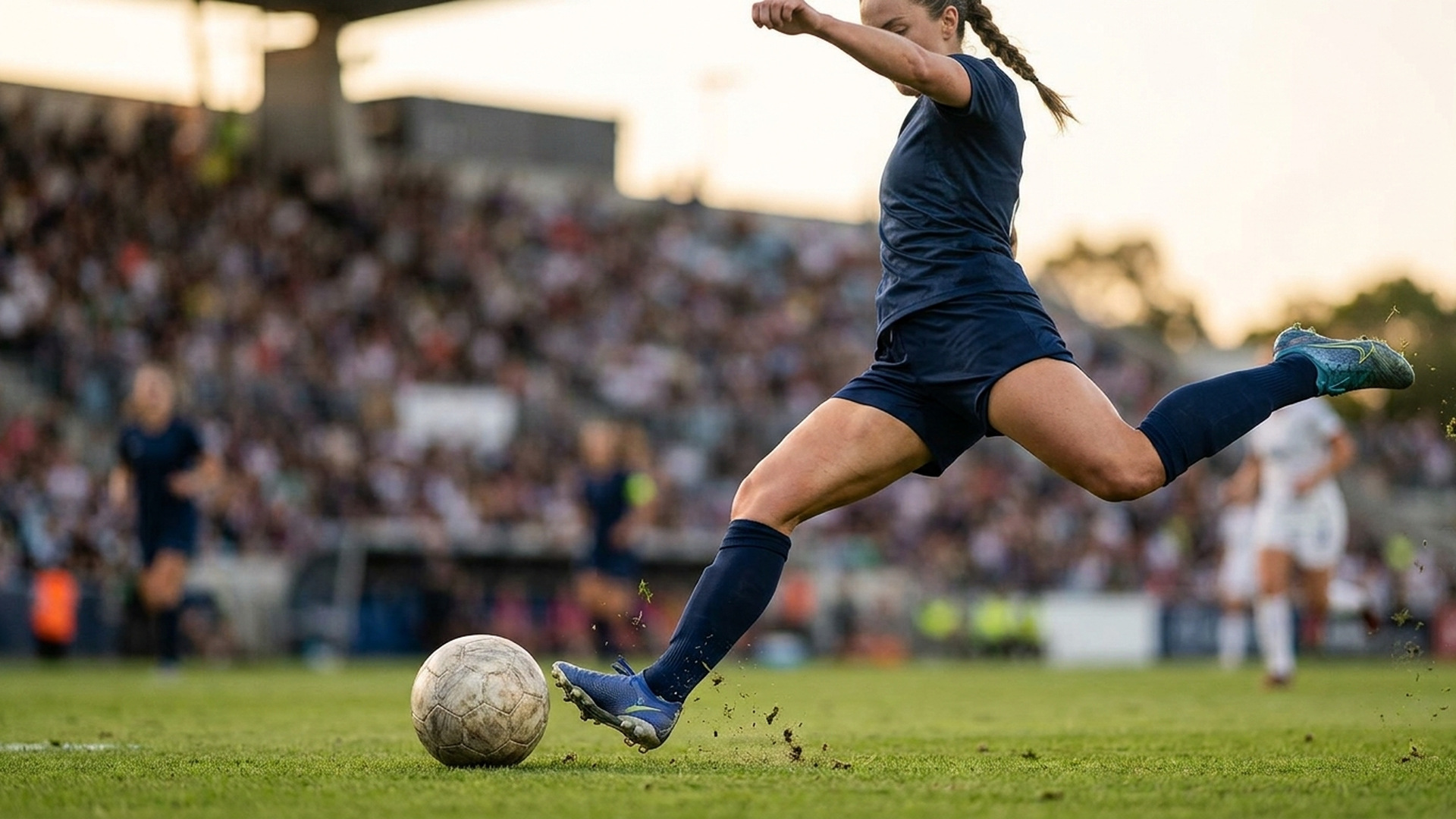
A sharp pain when changing direction. Discomfort during a run. A pulling sensation when lunging or lifting your leg.
Groin pain can make everything from exercising to everyday movement uncomfortable.
It’s tempting to assume you’ve simply pulled a muscle, especially if the pain started during sport. But groin pain isn’t always caused by a muscle strain.
The groin is a complex region, and several muscles, tendons, joints and surrounding structures can contribute to discomfort.
Understanding what’s causing your symptoms is the first step towards effective rehabilitation.
What are the common causes of groin pain?
Groin pain can originate from several different structures.
1. Adductor muscle injuries
The adductors are the muscles along the inside of your thigh. They help control movements such as bringing your legs together and changing direction.
Sudden movements, particularly during sport, can overload these muscles and contribute to a groin strain.
2. Hip flexor problems
The hip flexor muscles help lift your leg and move your hip. Problems involving these muscles may cause discomfort during running, lifting your knee or other movements.
3. Hip joint conditions
Sometimes pain felt in the groin originates from the hip joint itself rather than a surrounding muscle.
4. Pubic-related pain
Structures around the pubic region can contribute to groin discomfort, particularly during activities that place repeated demands on the pelvis.
5. Inguinal-related pain
Pain may also arise from structures around the inguinal region, which lies near the lower abdomen and groin.
Other conditions can produce similar symptoms, so identifying the source of pain is essential.
How do you know if you’ve pulled a groin muscle?
A groin strain may develop during a sudden change of direction, acceleration or forceful movement.
Symptoms may include discomfort along the inner thigh or groin, pain with certain movements and difficulty performing activities that load the affected muscles.
However, similar symptoms can occur with other conditions.
The location of your pain alone isn’t always enough to identify the problem.
A physiotherapy assessment can help determine which structures may be involved and whether further investigation is necessary.
Why is a proper assessment important?
Treating every groin injury as a pulled muscle may mean overlooking the actual cause of your symptoms.
At Gray Physiotherapy in Constantia, an assessment may consider:
How and when your pain started
Hip mobility and movement
Muscle strength
Pain during specific resisted movements
Trunk and pelvic control
Training and activity levels
Sport-specific movements
Previous injuries
Where an assessment suggests a more complex hip joint problem, we work closely with orthopaedic surgeons to support appropriate further care.
The objective is to understand the source of your symptoms and develop a rehabilitation approach suited to your condition.
Should you stretch your groin if it feels tight?
Not necessarily.
Feeling tight doesn’t automatically mean the muscles need stretching.
Depending on the cause of your symptoms, stretching may be unhelpful or aggravating.
An assessment can help establish whether stretching, strengthening or another approach is appropriate.
Can you exercise with groin pain?
It depends on the nature and severity of your symptoms.
Some injuries require a period of reduced activity, while others may allow you to continue exercising with modifications.
For example, certain movements or training intensities may need to be adjusted while the injured area recovers.
The aim is to manage the demands placed on your body rather than automatically avoiding all movement.
How can physiotherapy help groin injuries?
For many musculoskeletal groin problems, rehabilitation involves gradually rebuilding strength and improving your ability to tolerate movement.
Your treatment programme may progress through several stages.
Early rehabilitation
Identifying tolerable movements and beginning appropriate exercises based on your symptoms.
Progressive strengthening
Gradually rebuilding strength in the muscles involved in supporting and moving the hip and pelvis.
Functional movement
Introducing movements such as lunging, squatting and more demanding lower-body exercises when appropriate.
Return to sport
Progressing towards running, acceleration, changes of direction and other movements required for your chosen activities.
The goal is not just to become comfortable while resting. It’s to prepare your body for the demands you want to return to.
How long does a groin injury take to recover?
Recovery depends on the underlying cause, severity of the injury and demands of your usual activities.
A mild muscle injury may recover differently from persistent tendon-related or hip joint pain.
Because groin pain can have several causes, there is no single recovery timeline that applies to everyone.
An individualised assessment helps guide realistic rehabilitation goals.
Frequently asked questions about groin pain
Do I need a scan for groin pain?
Not everyone needs imaging. A thorough clinical assessment is often an appropriate starting point. Additional investigations may be recommended when indicated.
Can strengthening help groin pain?
Yes. Progressive strengthening is an important part of rehabilitation for many musculoskeletal groin conditions.
Is groin pain always a sports injury?
No. Although groin injuries are common in sport, pain in this region can also affect people during everyday activities and may have causes unrelated to exercise.
When should I seek medical attention for groin pain?
Sudden severe pain, significant trauma or symptoms associated with a painful groin lump, fever or testicular pain require prompt medical assessment. Persistent or recurring groin pain should also be assessed.
Find the cause. Build the strength. Return with confidence.
Groin pain is a symptom, not a diagnosis.
Understanding why it hurts allows rehabilitation to target the right problem and prepare your body for the activities you enjoy.
Struggling with groin pain during sport or everyday movement?
Gray Physiotherapy, based at Mediclinic Constantiaberg, provides individualised physiotherapy assessment and rehabilitation to help identify the problem and guide your recovery.
Call 021 797 1777 to book an assessment.
Recent Comments